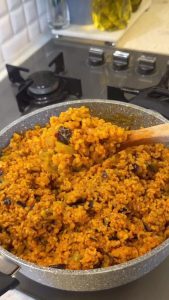
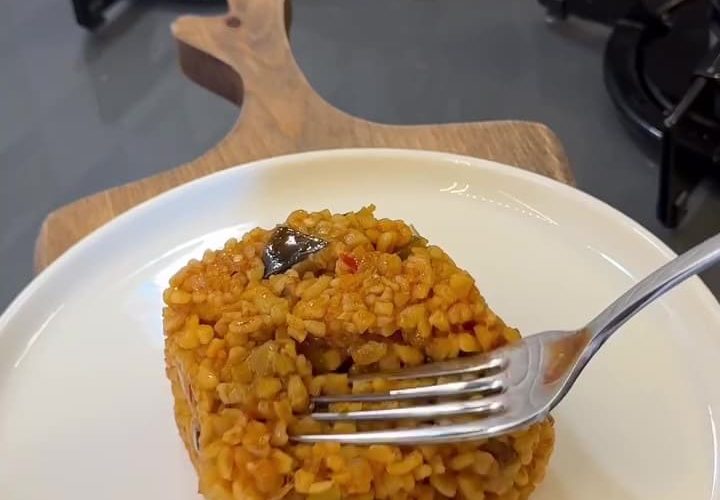
If there is one dish that captures the essence of a traditional Turkish home kitchen, it is Patlıcanlı Bulgur Pilavı. While many are familiar with rice, in Turkey, coarse bulgur is the true star of the dinner table. It’s nutty, nutritious, and has an incredible ability to soak up the flavors of whatever it’s cooked with.
❤️ Why You’ll Love This Recipe
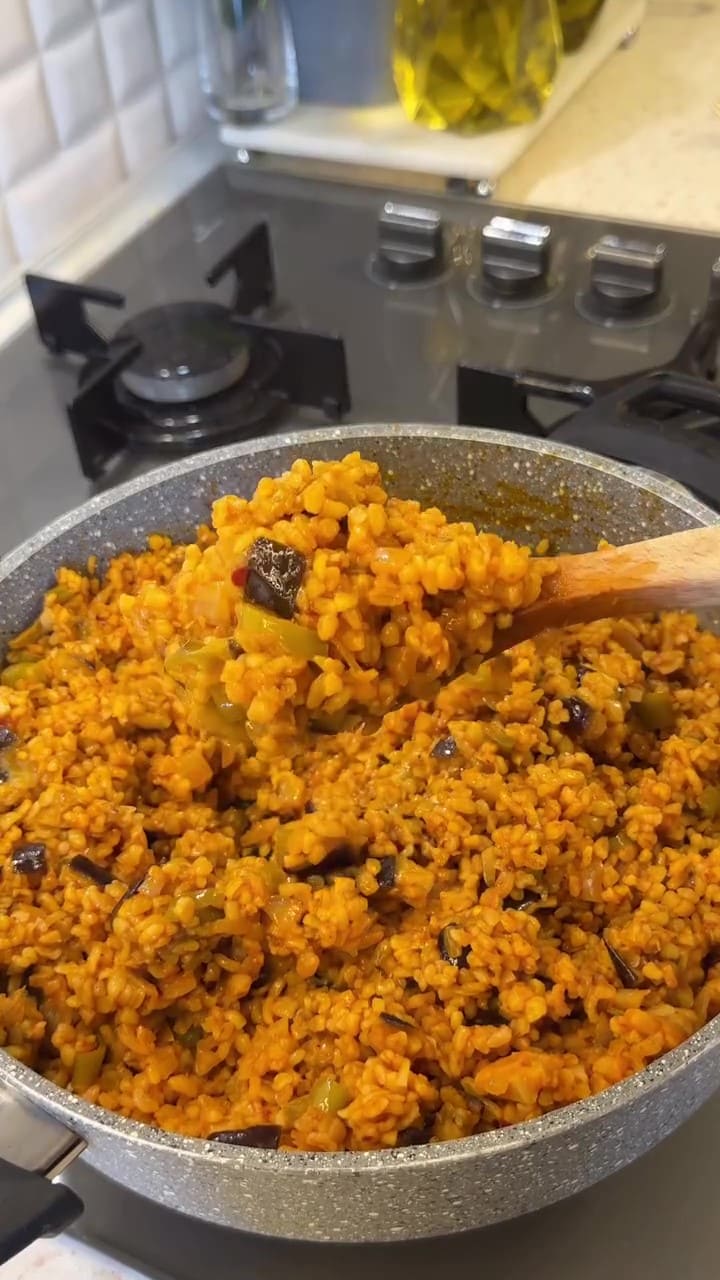
Rich & Earthy Flavors: The nutty taste of coarse bulgur combined with the sweetness of fried eggplant creates a complex flavor profile that is deeply satisfying.
A Hearty One-Pot Meal: While it’s technically a side dish, it’s so filling and nutrient-dense that it can easily stand alone as a vegetarian main course.
Budget-Friendly Comfort: Made with simple, accessible ingredients, it’s proof that you don’t need a big budget to create a gourmet-level meal.
The Ultimate Comfort Food: It’s the kind of dish that tastes even better the next day, making it perfect for meal prep or busy family dinners.
💡 Expert Tips for Success
- The Eggplant Prep: To prevent your eggplants from absorbing too much oil and to remove any potential bitterness, soak the cubes in salted water for 15 minutes. Pat them completely dry before frying.
- Choose the Right Bulgur: For this recipe, always use coarse bulgur (known as pilavlık or başbaşı). Fine bulgur is meant for salads like Tabbouleh or Kisir and will become too mushy for a pilaf.
- The “Demleme” Phase: Once the pilaf is cooked, remove it from the heat, place a clean paper towel under the lid, and let it rest for 10-15 minutes. This “steaming” period is the secret to getting perfectly separated, fluffy grains.
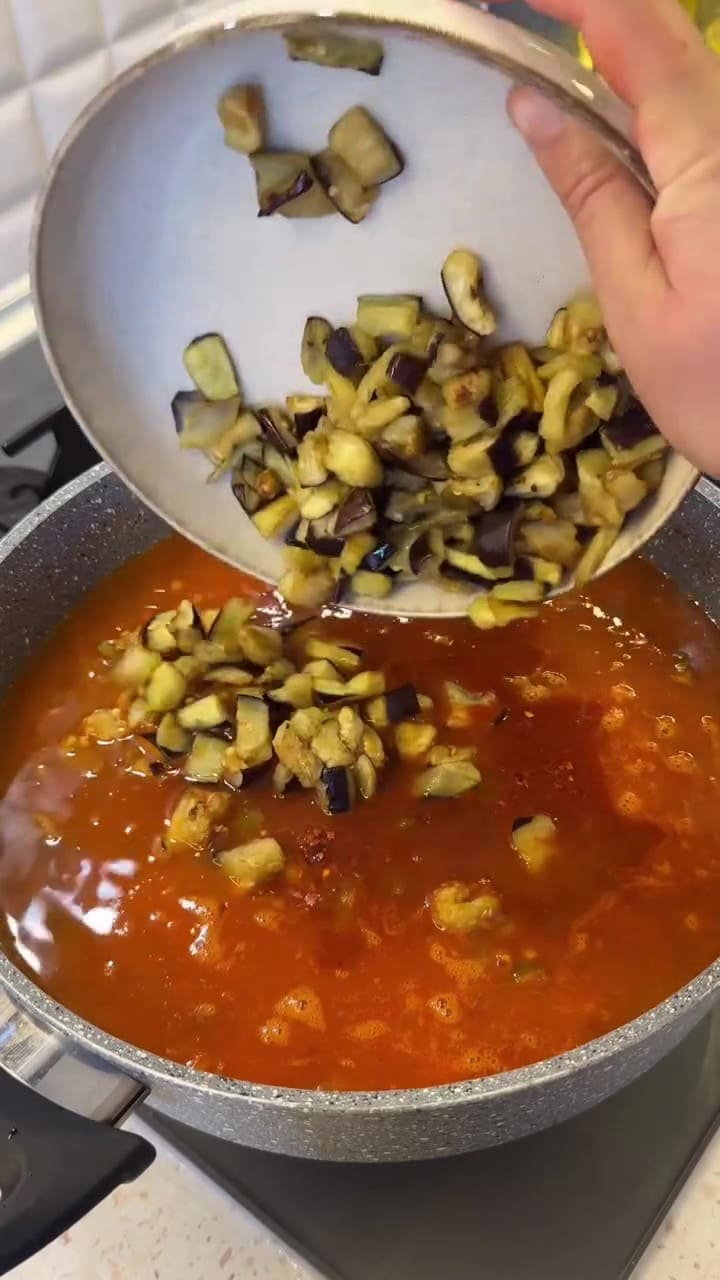
- Fry the Eggplants Separately: For the best texture, fry the eggplant cubes separately until golden and add them to the bulgur toward the end or just before the resting phase. This keeps them intact and “meaty.”
❄️ Storage and Reheating
Freezing: You can freeze this pilaf for up to 2 months. Let it thaw in the fridge overnight before reheating on the stovetop for the best results.
Storage: Bulgur is very resilient. Store leftovers in an airtight container in the refrigerator for up to 3-4 days. Unlike rice, bulgur maintains its texture much better when refrigerated.
Reheating: Reheat in a pan over medium-low heat. Add a tablespoon of water or broth to help the grains loosen up and regain their moisture.
🔄 Substitutions and Variations
- Add Protein: Stir in some cooked chickpeas (nohut) or sautéed ground beef along with the onions for a more protein-packed version.
- Vegetable Mix: Feel free to add diced green peppers or carrots along with the eggplant for more color and vitamins.
- Spiced Version: Add a teaspoon of dried mint or allspice (yenibahar) for a more aromatic, “palace-style” twist on this village classic.
🥘 More Hearty Turkish Main Dishes
Since you love the authentic and comforting taste of Turkish grains and stews, don’t miss these other favorites:
Authentic Turkish Chicken Stew (Tavuk Haşlama): A Sulu Yemek Classic
Imperial Turkish Chicken: Authentic Piliç Topkapı with Spiced Rice
The Easiest Stuffed Cabbage Rolls: No Rolling Required
Did you feel the village breeze in your kitchen? Show us your beautiful pilaf! Tag @mutfagimda.lezzet on Instagram, follow our hearty dinner boards on Pinterest, and subscribe to our YouTube channel for a masterclass on how to cook bulgur perfectly every time.
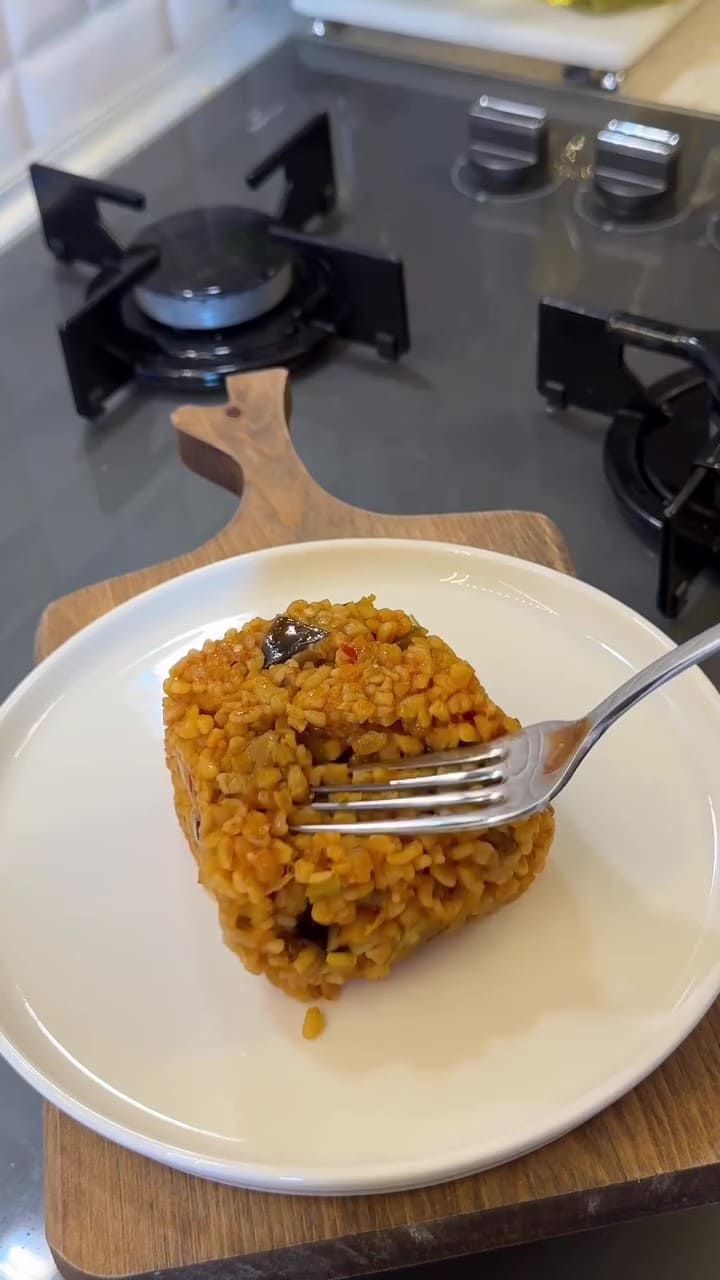
Savory Turkish Bulgur Pilaf with Fried Eggplant
Ingredients
Equipment
Method
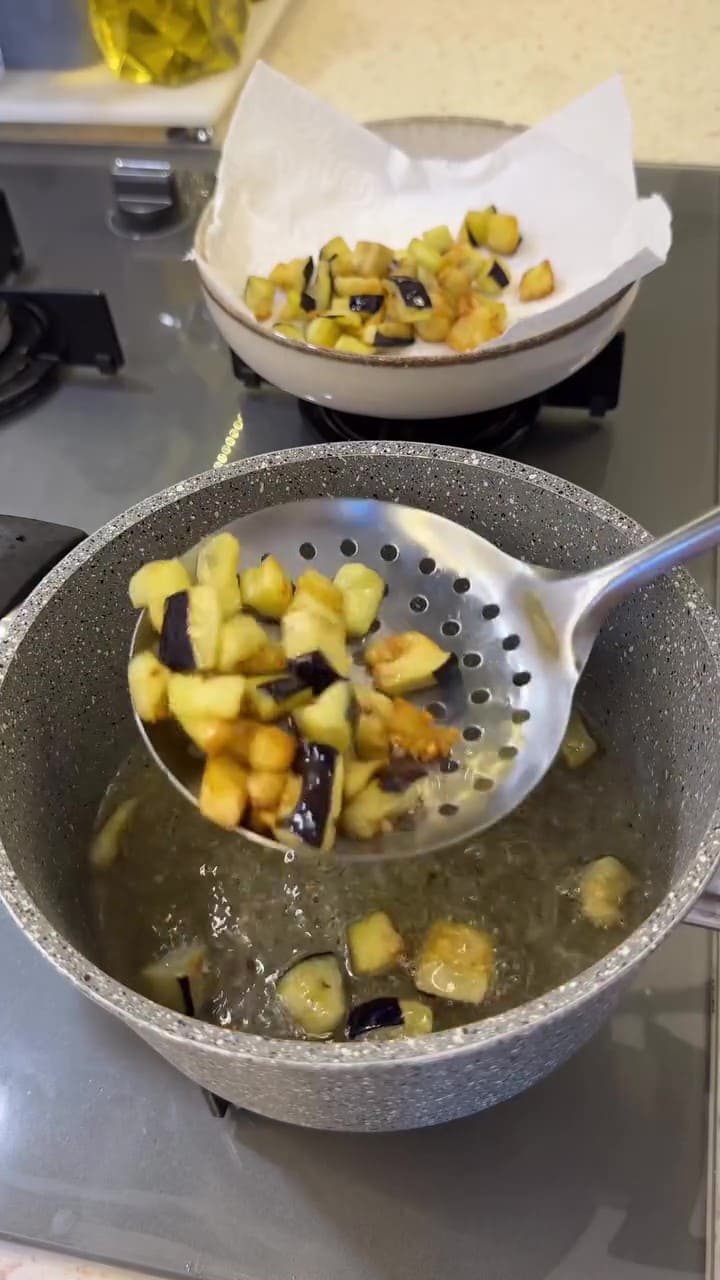
- Heat vegetable oil in a pan and fry the diced eggplant cubes until golden brown. Drain them on paper towels and set aside.
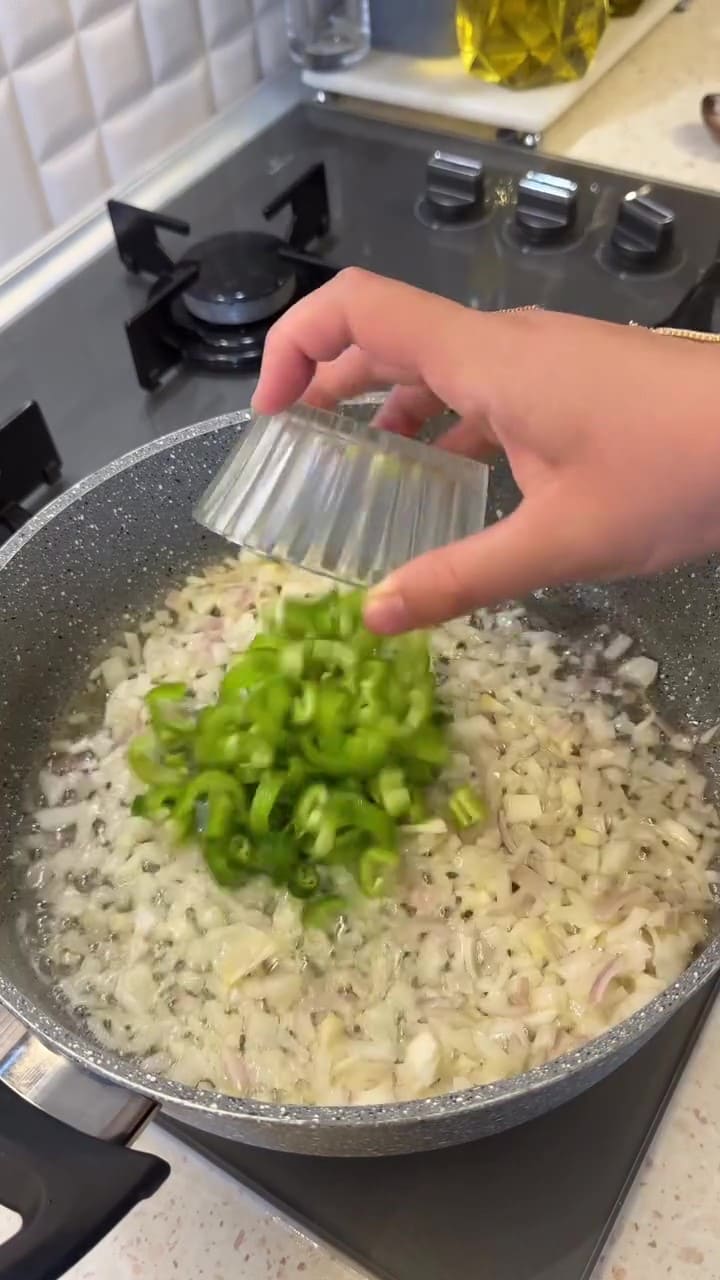
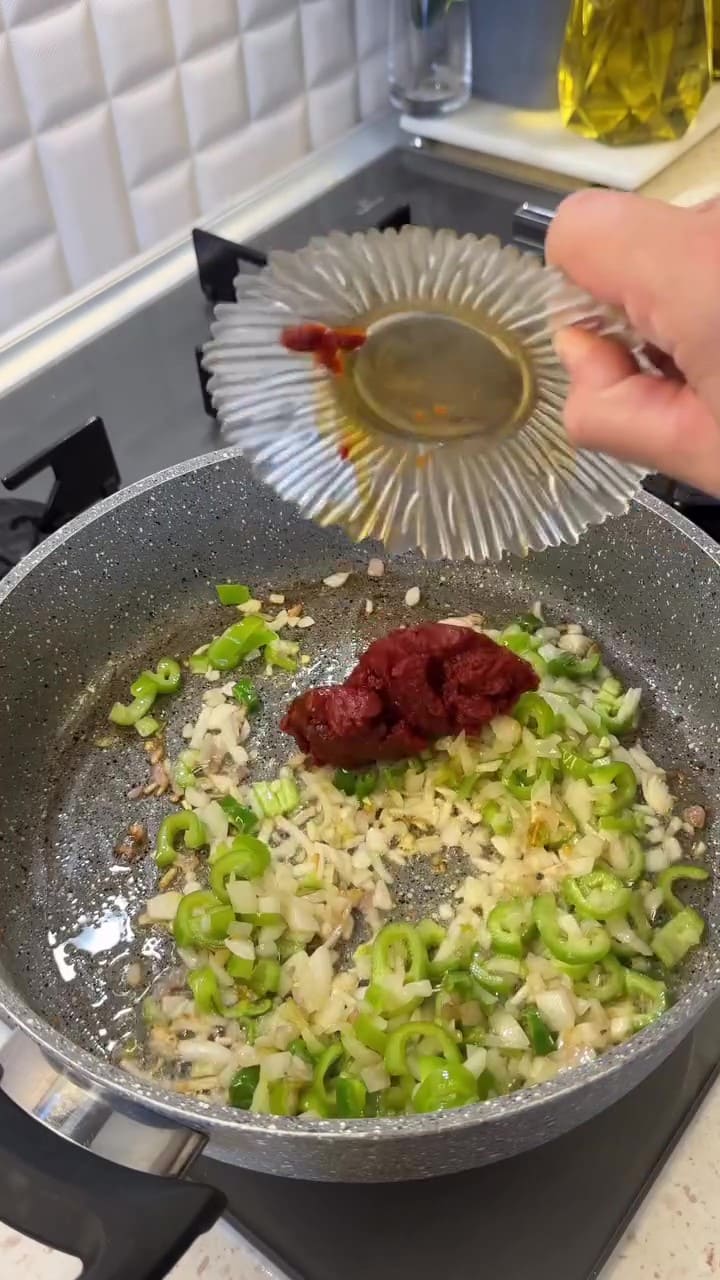
- In a large, shallow pot (pilaf pot), melt the butter with a dash of oil. Add the chopped onions and green peppers. Sauté until soft and fragrant.
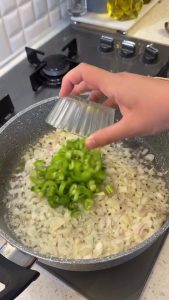
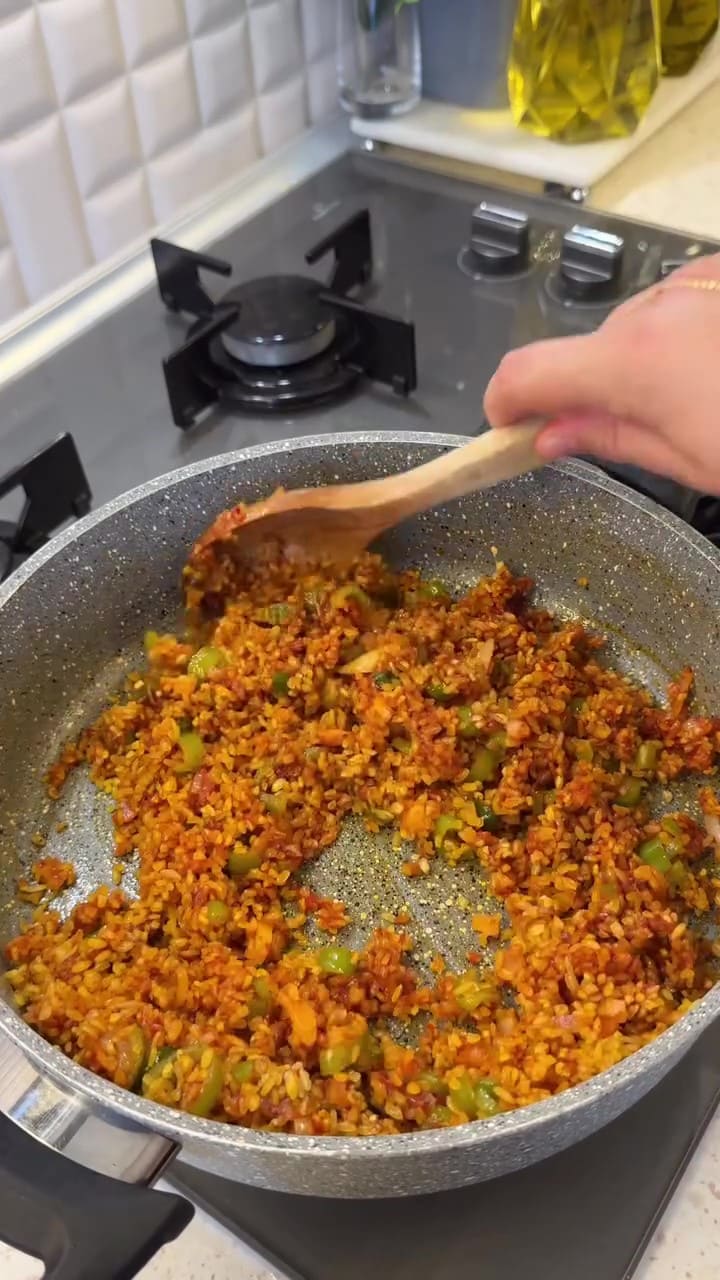
- Stir in the tomato and pepper pastes. Cook for 1-2 minutes until the "raw" smell of the paste is gone.
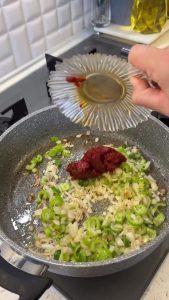
- Add the washed and drained bulgur to the pot. Stir well to ensure every grain is coated in the butter and paste mixture.
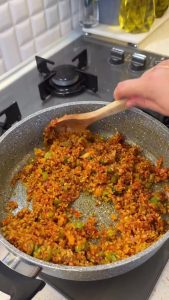
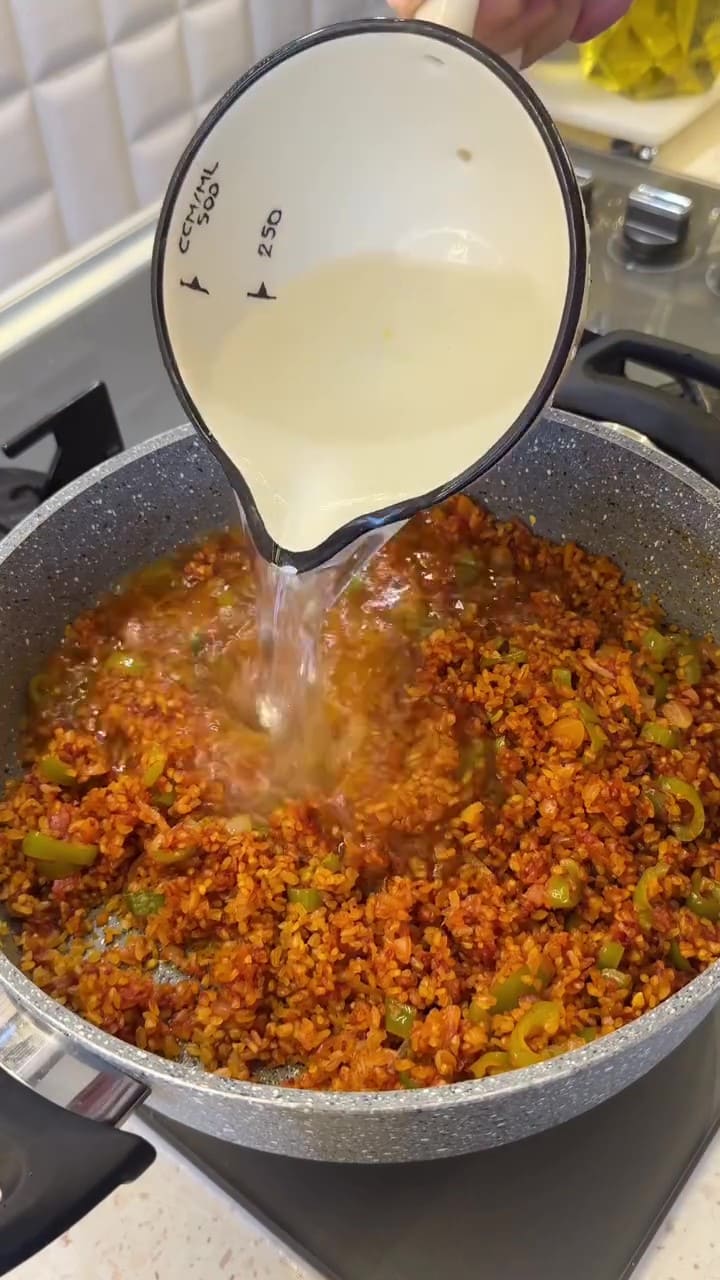
- Pour in the 4 cups of hot water. Add the salt, paprika, and chili flakes.
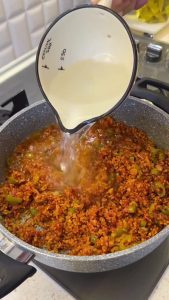
- Gently fold in the fried eggplant cubes.
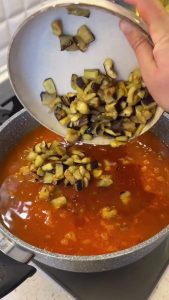
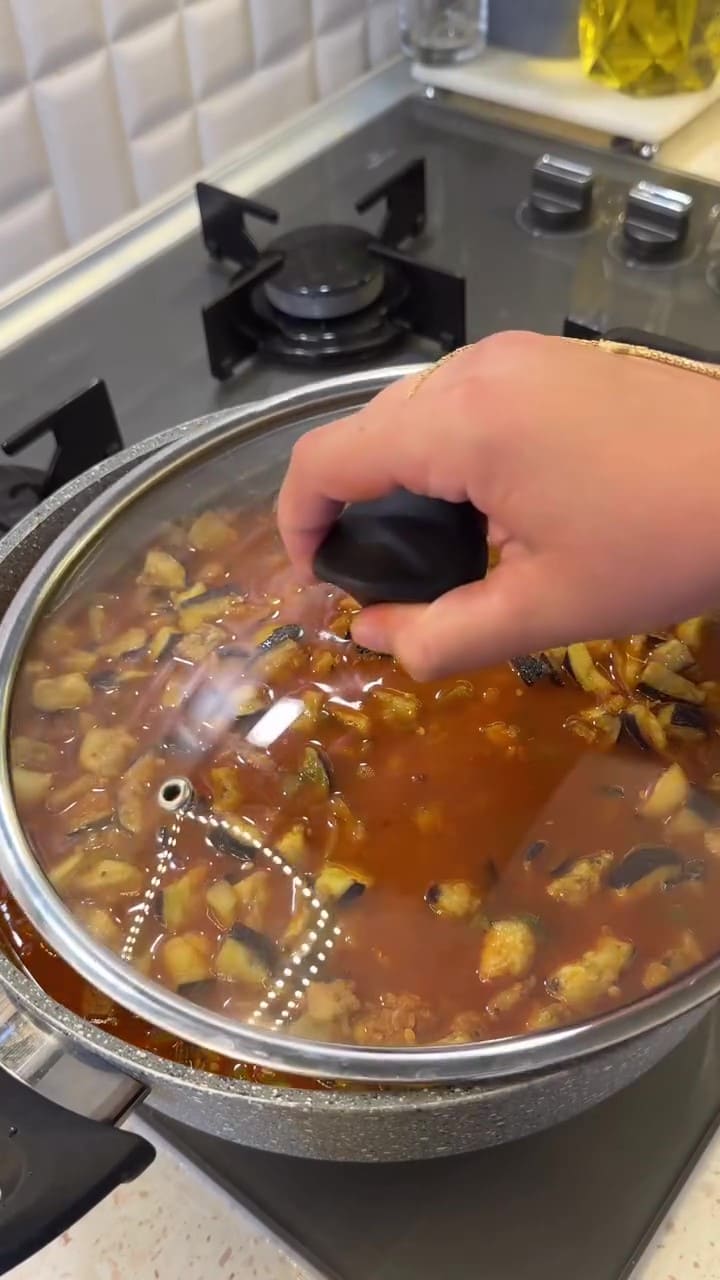
- Cover the pot with a tight-fitting lid. Cook on the lowest heat setting until the bulgur has absorbed all the water and tiny "chimneys" (holes) appear on the surface.
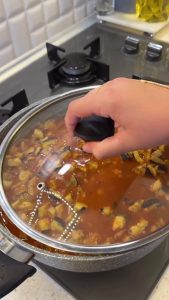
- Turn off the heat. Place a clean paper towel under the lid and cover the pot tightly. Wrap the pot in a kitchen towel and let it rest for at least 15-20 minutes before fluffing and serving.